
Stunning Colosseum Photos
Free HD Images for Download
Explore our curated collection of Colosseum photos — Rome's mighty amphitheatre captured from every angle and in close detail. Each image is a free high-resolution download, ready as a phone or desktop wallpaper or for your own personal and commercial projects. After a bold background, a presentation slide, or simply some travel inspiration? You'll find it right here.
-
 Free to downloadNo account, no charge
 -
 HD & wallpaper-readySharp on phone or desktop
 -
 Personal & commercial useYours to use on any project
 -
 High-resolution originalsFull-size files supplied
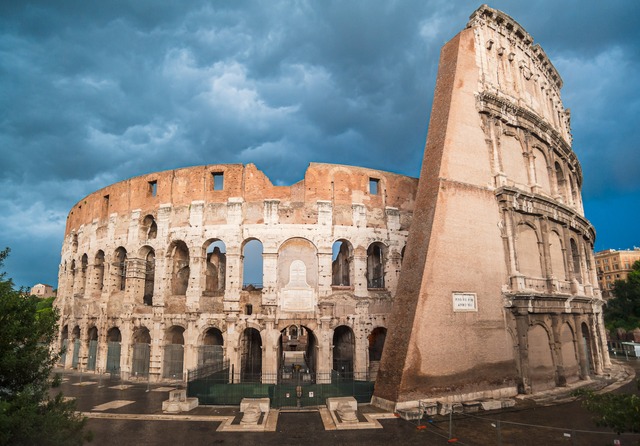
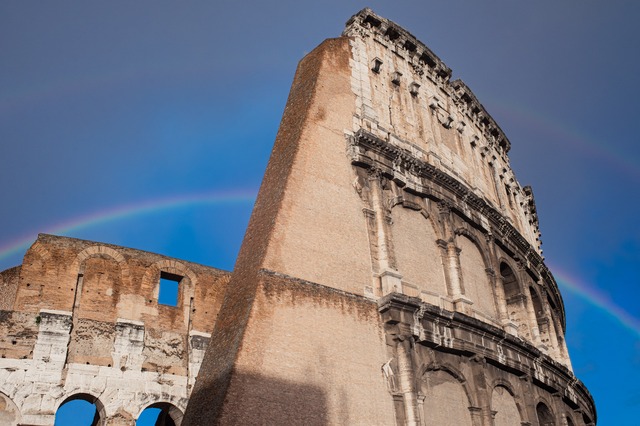
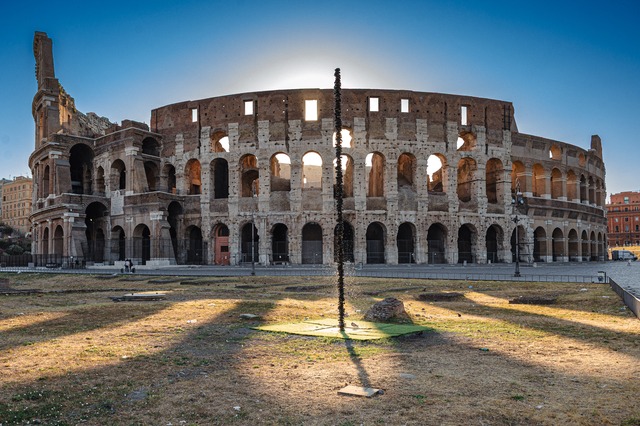
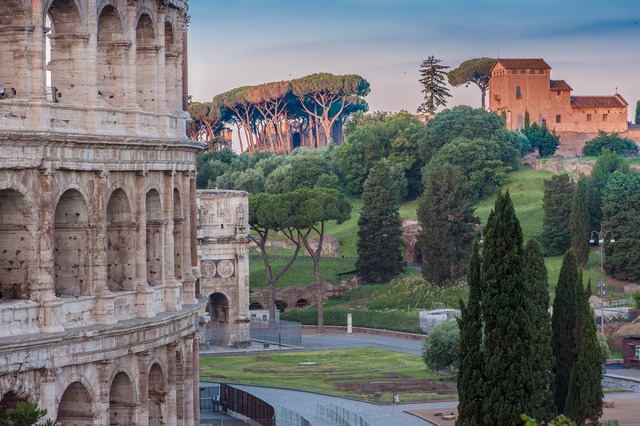
Best Photo Spots at the Colosseum for the Postcard Shot
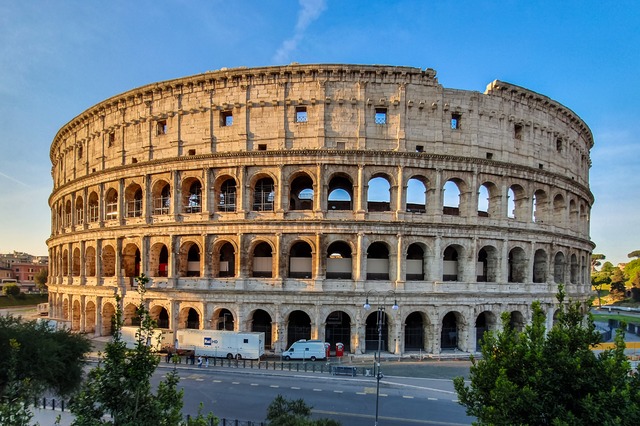
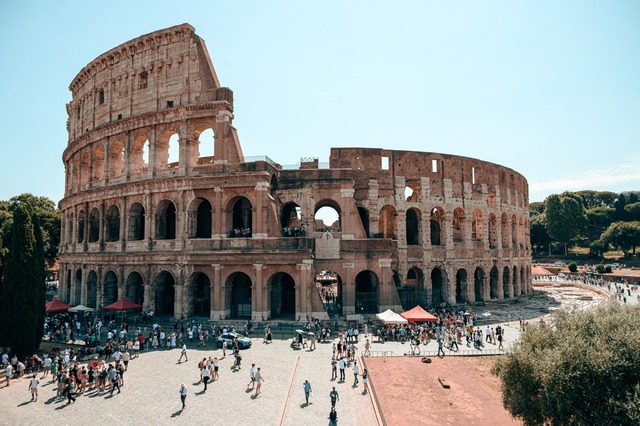
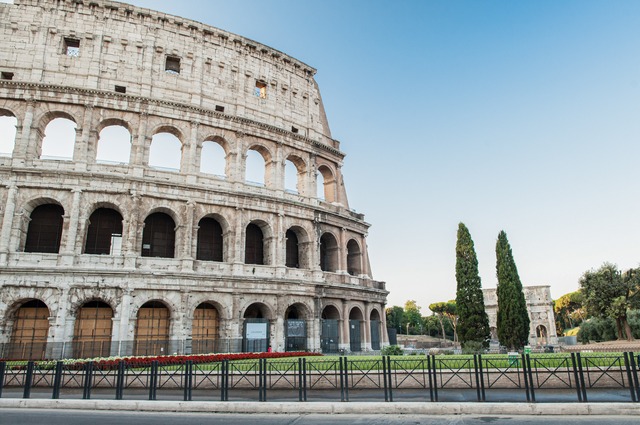
The image everyone carries in their head — the complete ellipse with its three stacked tiers of arches and the broken north flank falling away — is not shot from straight in front of the monument. To get it, head up to the Oppian Hill (Colle Oppio) terrace above Via Nicola Salvi: climb the ramp past the fountain and the amphitheatre falls into line below you, with the Roman pines framing the top edge. This is the one easy vantage point that lifts you just above street level, which cancels the keystoning you get when you tilt the camera up from the base.
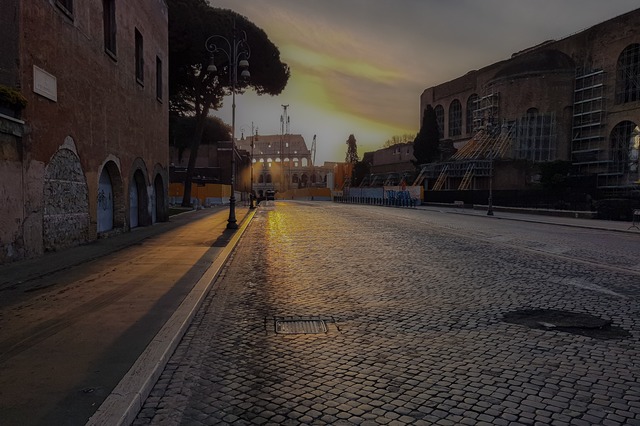
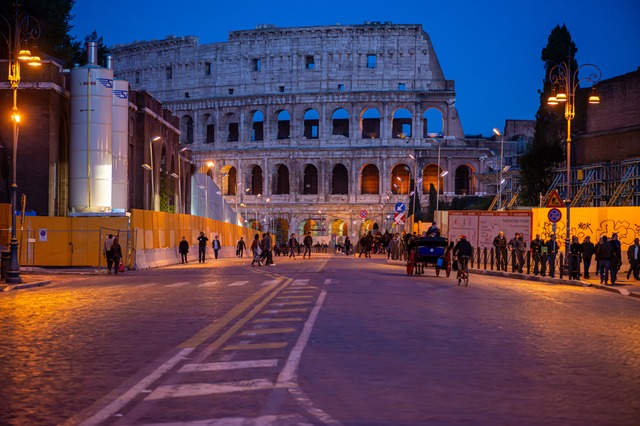
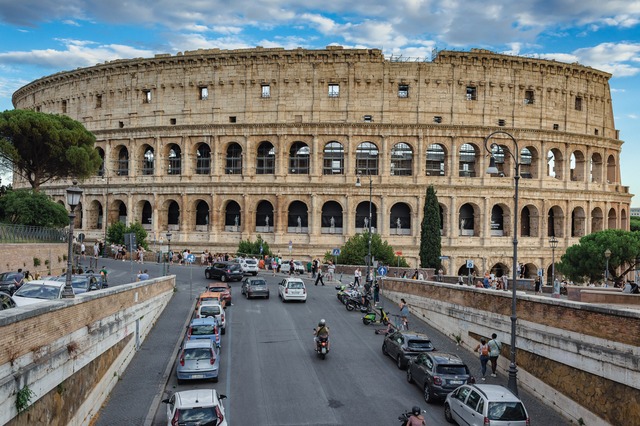
For a tighter, ground-level frame, the central island of Via Nicola Salvi itself hands you the curved north face with the metro exit neatly out of shot if you stand by the pedestrian crossing. The Forum side, looking back along the Via Sacra near the Temple of Venus and Roma, lets you stack ancient brickwork and column stumps in the foreground so the Colosseum sits as one ruin among many rather than a lone icon — far more compelling than a tidy head-on shot, and one of the better Instagram spots near the Colosseum. And for the low, lights-on dusk frame down the avenue, the gentle rise of Largo Gaetana Agnesi (the balustrade just south of the Oppio entrance) angles you on a diagonal that gathers both the curve and the Arch of Constantine in a single sweep.
Knowing Where to Take the Best Colosseum Pictures by Light
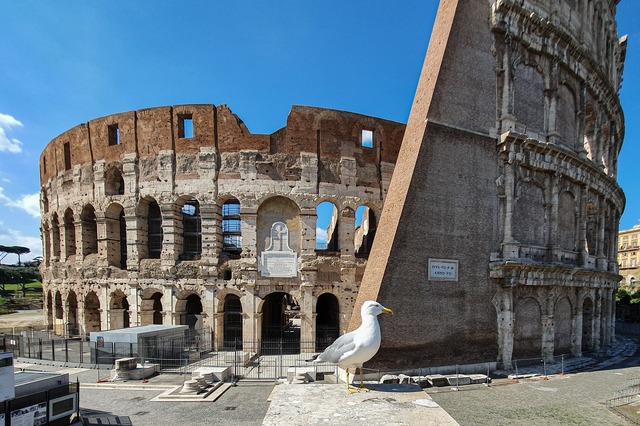
Travertine is a pale, mirror-like stone, and the midday Roman sun ricochets straight off it — your camera reads all that brightness, pulls the exposure right down, and leaves you with bleached walls and pitch-black arch recesses with nothing in between. If noon is all you have, work from the shaded north-west side and intentionally under-expose by about a third of a stop so the highlights on the stone hold their texture; the arches dropping into deep shadow is fine, and it actually pushes the sense of depth.
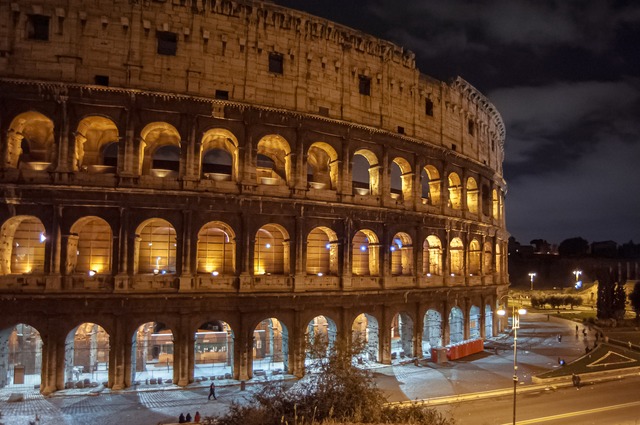
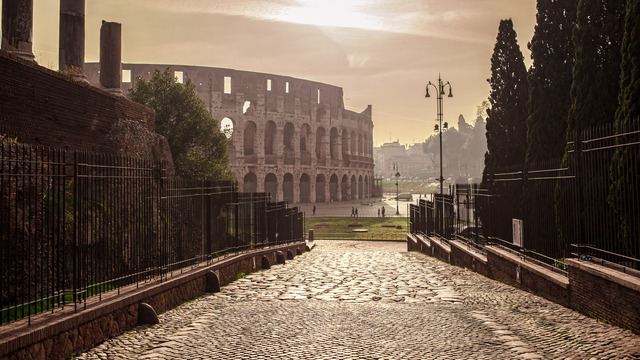
The light truly worth planning your shoot around is the hour after sunrise and the hour before sunset, when low sun skims across the façade and each block of stone throws its own little shadow — that is what gives the surface a three-dimensional look instead of a flat one. Sunrise is the smarter pick: the east face catches first light, the crowds have yet to gather, and the sky behind the western profile often keeps some colour. Blue hour (roughly 20–30 minutes after sundown) is your window for the lit-up-at-night effect, since the floodlights are already burning while enough ambient light lingers to hold the sky a deep blue rather than a dead black.
Settings That Survive the Crowds
Most people shoot this on a phone, and a phone copes with the scene well once you stop working against it. Switch HDR on for exterior daylight frames — it is designed for exactly the high-contrast travertine-against-shadow trap described above, and it holds onto both the bright stone and the arch interiors. Reach for the main (1x) wide lens over the ultra-wide unless you genuinely can't step back; the ultra-wide bends the verticals and shrinks the monument into a far-off lump. Tap to lock focus on the stonework, then nudge the exposure slider down a little so the travertine isn't blown out — phones are eager to over-brighten pale subjects.
To shed the crowds without a permit or a long wait, compose from the waist up: shoot from the Oppio terrace or down the avenue, where the people sit small and low in the frame, then crop the bottom away. A longer focal length (2x or 3x on a phone, or 50–85mm on a camera) compresses the scene and lets you isolate a clean run of arches with no heads in it. For night and blue-hour frames, steady the phone against a railing or wall for the longer exposure — handheld night mode works, but a firm surface beats it every time.
What You Can and Can't Fly or Bring
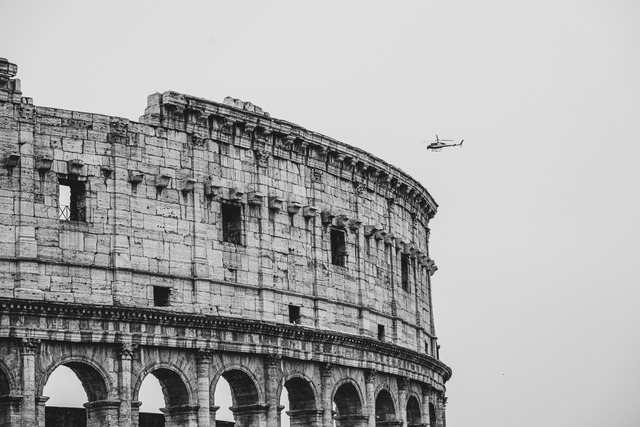
Around a protected heritage site the rules are tighter than most guides let on. Full tripods and monopods aren't allowed inside the monument and security will turn you back at the bag check; a small tabletop mount or a beanbag propped on a ledge is your realistic indoor workaround. Drones are essentially off the table: central Rome lies within controlled airspace, the zone around the Colosseum is a no-fly area, and flying without clearance risks both confiscation and a fine — the sweeping aerials you see came from permit holders or helicopters, not a consumer drone lifted off the pavement.
Indoors, handheld photography for personal use is welcome and flash is discouraged (and useless at that range in any case). Oversized bags, larger backpacks, and obvious professional rigs can be refused at the door, so pack light if you want to walk straight through. Commercial or professional shoots require written permission from the site authority in advance — if you intend to sell the images, arrange that ahead of time rather than at the gate.
Frequently Asked Questions About Photographing the Colosseum
Where are the best spots to take pictures of the Colosseum?
The top spots to photograph the Colosseum include nearby Piazza del Colosseo for the classic head-on view, Via Nicola Salvi and the raised terrace on Colle Oppio for sweeping panoramas, and the Via Sacra inside the Roman Forum for unusual angles with ancient ruins in the foreground. For sunrise or sunset frames, the southern side by the Arch of Constantine delivers lovely light and thinner crowds.
What is the best time of day to photograph the Colosseum?
The prime windows for photographing the Colosseum are early morning shortly after sunrise and late afternoon ahead of sunset (the "golden hour"). In these stretches the soft, warm light brings out the stonework and casts dramatic shadows, and with fewer people about you get cleaner shots. Night photography is popular too, with the Colosseum strikingly floodlit once it is dark.
Can I download Colosseum photos for free from Colosseum Online Help?
Absolutely. High-resolution Colosseum photos are free to download from Colosseum Online Help. Every image is curated and optimised as a wallpaper for desktop and mobile, and no registration is needed. Just browse the gallery and hit the download button beneath any image.
Are the Colosseum images on Colosseum Online Help copyright-free, and can I use them for commercial purposes?
Every Colosseum image on Colosseum Online Help is licensed for unrestricted use, commercial projects included. Do review the license details supplied with each photo for the exact terms. In most cases all that is required is attribution to "Colosseum Online Help." For more details, see our license page.
Can I take photos inside the Colosseum?
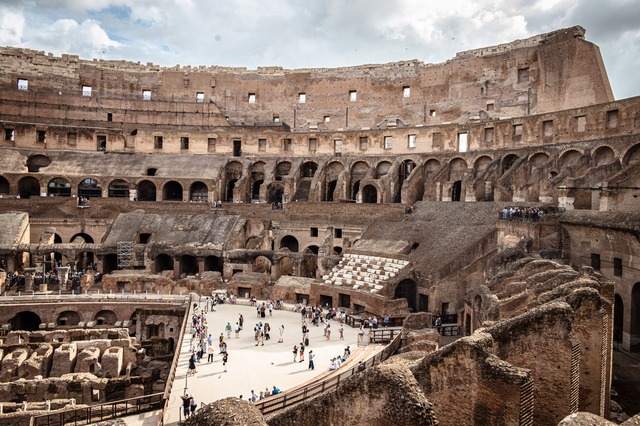
Yes — visitors may photograph inside the Colosseum for personal use. That said, flash photography and bulky professional setups can be restricted. For commercial or professional shoots you must secure prior permission from the site authorities.
Can I use a tripod or drone for photography at the Colosseum?
Tripods, monopods, and drones are not normally permitted inside the Colosseum or on its grounds without a special permit, though handheld photography is fine. For drones, Italian aviation rules and site-specific restrictions apply firmly; flying without authorisation can lead to fines or confiscation.
How do I avoid crowds in my Colosseum photos?
To keep crowds out of your Colosseum photos, arrive early at opening or come back late in the evening. Weekdays outside the peak season stay quieter. For exterior frames, circle round to the southern and eastern sides, where fewer tour groups cluster. A longer lens and inventive angles also help you frame the monument without people in the shot.